Now, that’s a claim you’d expect to hear from a snake oil salesman, trying to get a sale off you on the five foot alleway in a shady part of town. However, in this instance, that’s not the case. This preliminary study conducted by medical researchers with established international standards and state-of-the-art equipment deduced that the Kelabit’s famous trait for being ‘intelligent’ is ‘probably’ in the Bario Salt. Hard to believe that the ubuquitious salt can make one smart? Read the research to see the proof. Yes, it does make sense.
“Despite the remoteness of the study area, the schoolchildren in Bario, Sarawak showed higher mental performance compared to other isolated areas.”
Micronutrients and its correlation with mental performance among schoolchildren in Bario, Sarawak: a preliminary study.
Curators Note:
This post is part of a collection of academic research and publications done in the Kelabit Highlands. We'd like to sincerely thank the many academicians and institutions from all over the world that have come to Bario to experiment, document, and expand our understanding of the things around us.
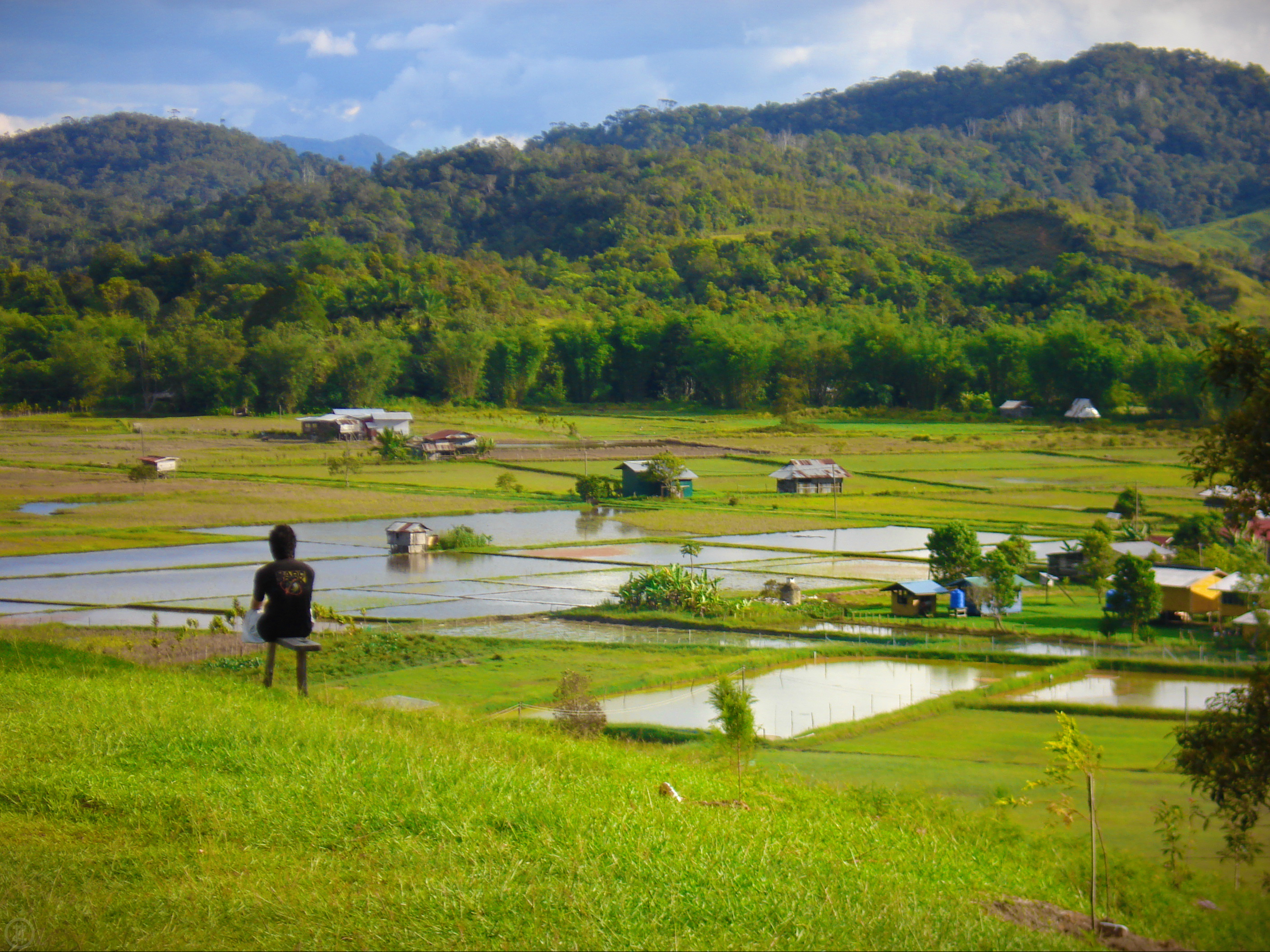
The Kelabit Higland’s Bario Scenery – Just taking a stroll around during the day, the scenery in Bario is always welcoming, and uniquely magical. It’s a beautiful place up in the mountains, with many little treats for the eyes.
Touring Bario – a walk back in time.
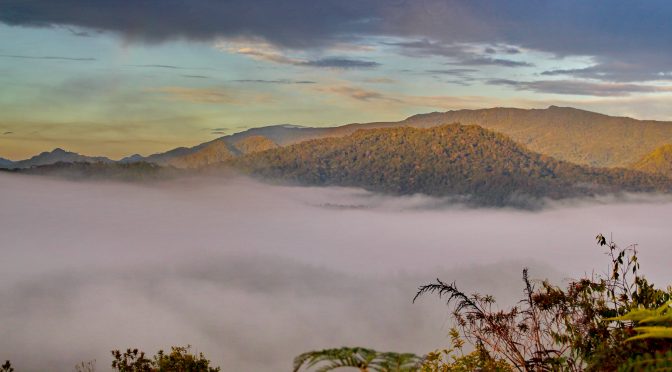
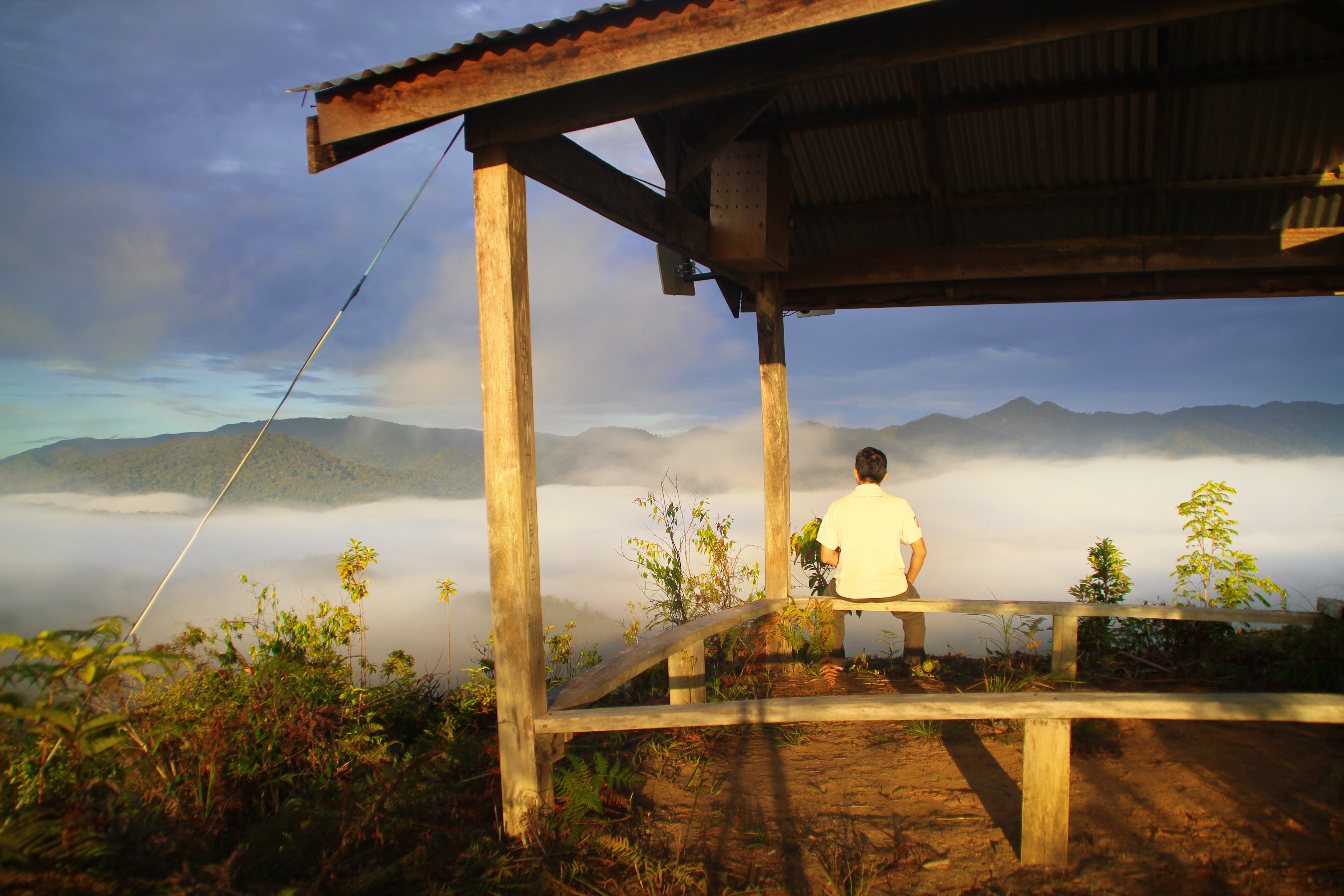
The Spectacular Morning Gems In Bario
However, if you took a little effort (well, it can be a lot for some) to get up before daybreak and walk up Bario’s many hills and mountains, the scenery that awaits you can be utterly breathtaking.
The morning views from the mountain top.
There are a few well maintained and well visited elevated spots in Bario to catch this scene, and some require more commitment than others.
The Bario Prayer Mountain
The best spot of the lot is undisputedly, the top of the Bario Prayer Mountain. This is a one or two hour ascent (depending on your fitness level). It’s hilly at the bottom half, and almost vertical on the top half. But once you get up there very early in the morning, you’ll thank God for it. Some visitors have even spent the night before at the top, so they won’t miss the morning view. Now, that’s dedication.
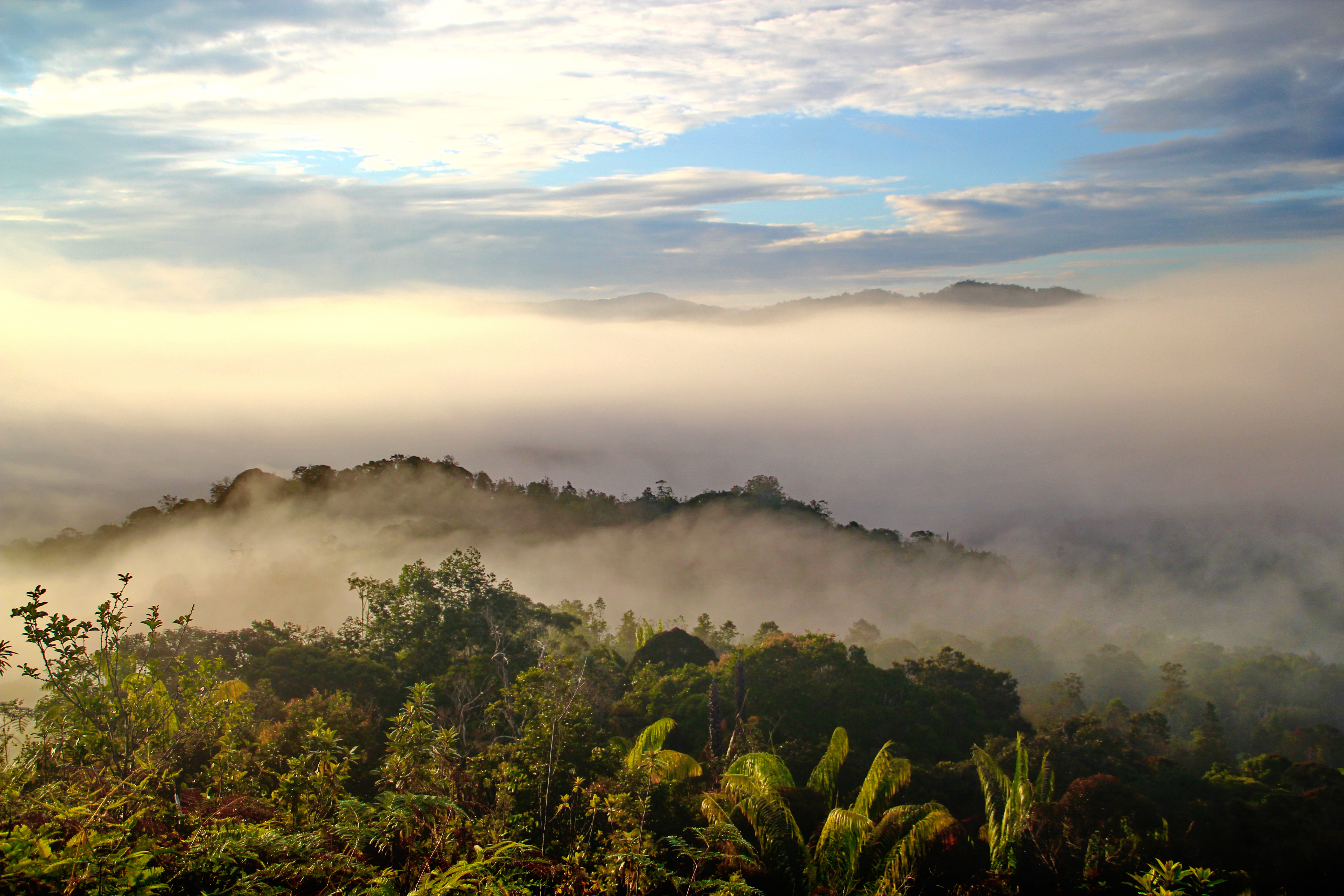
The View From Prayer mountain at Dawn.
How to get to Bario Prayer Mountain.
The foot of the prayer mountain starts behind the Arur Dalan Longhouse (on the eastern edge of the Bario plateau). It is well marked, so you won’t miss it.
The Bario Proposal Hill
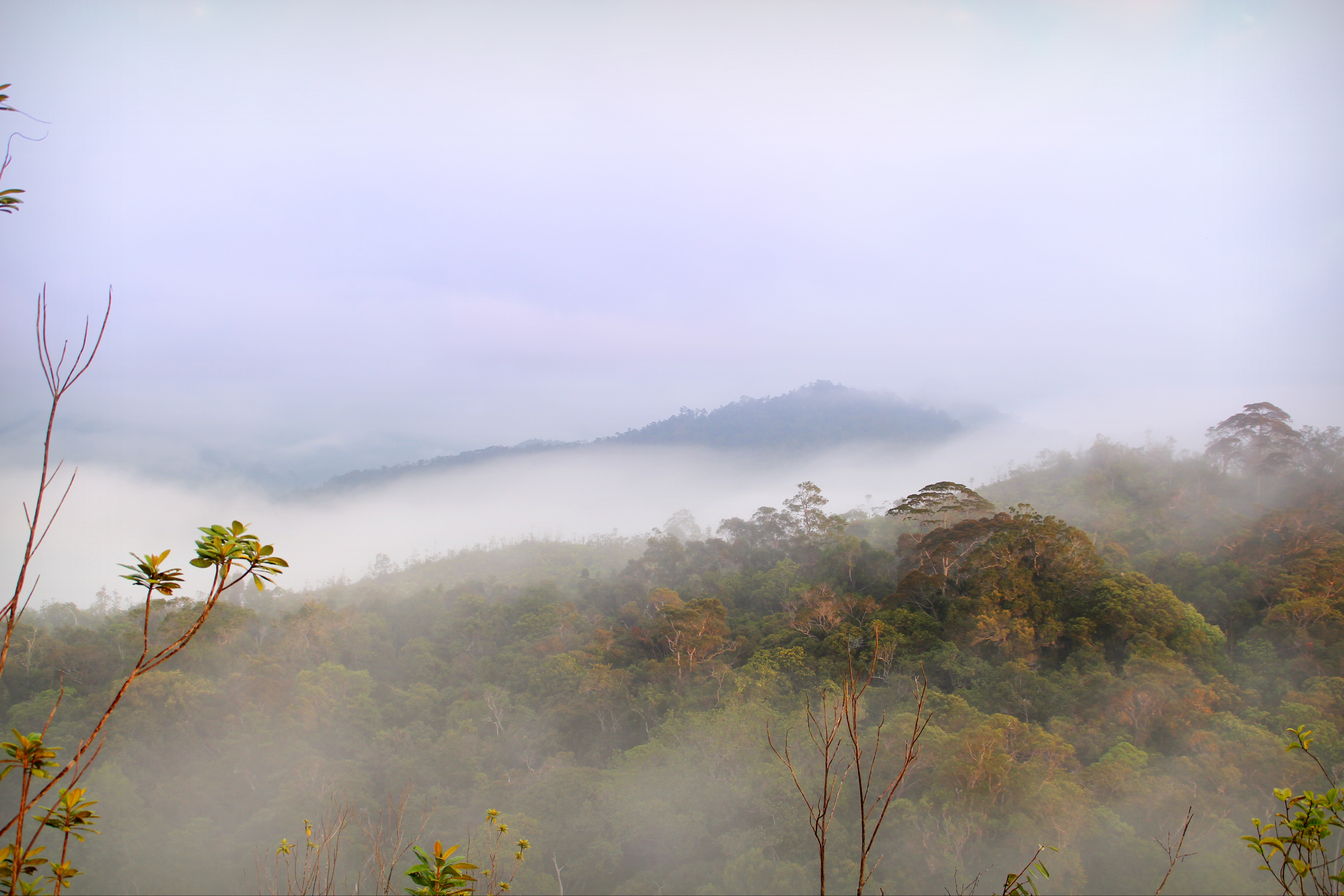
Another good spot is Proposal Hill. Unlike the Prayer Mountain, this is only a fifteen minute to half an hour’s climb up from the foot to the top (someone young university kid did it in 7 minutes). It’s not as high, but the views on the way to the top are equally amazing, if you catch it on the right day.
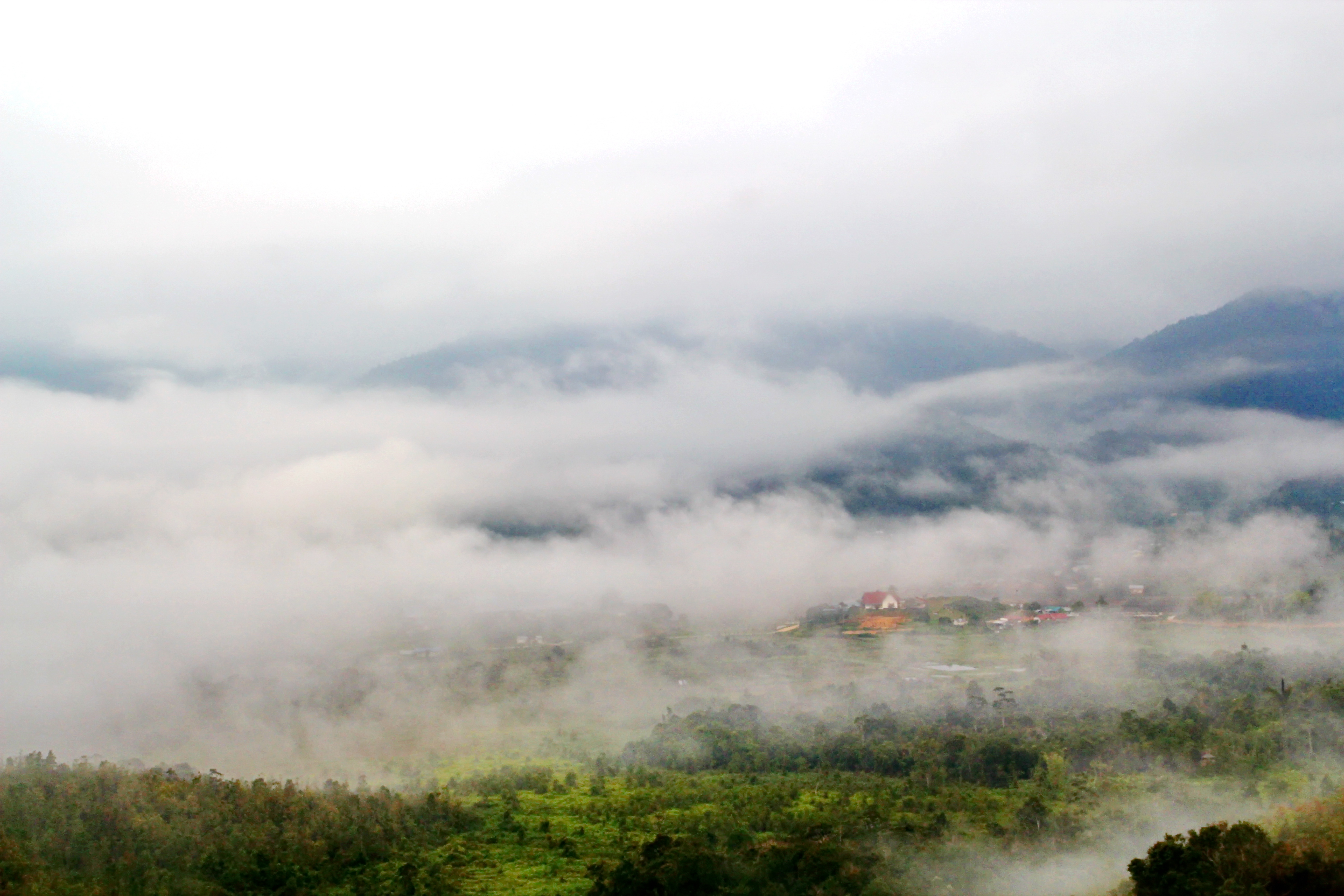
Valley In The Clouds. Taken from Proposal Hill.
*The right day – is a dry day with a cooler morning temperature. A wet warm morning can cause clouds to rise quickly before the sun is even up, and because it is not as high as the Prayer Mountain, your view could get blocked by the very clouds you went to see. However, on a good day, the views are simply majestic.
Another angle from Proposal Hill
Note: My own success rate at being up there on a good day is 30%. But it’s a spectacular 30%.
Proposal Hill is just 15 minutes walk from Labanglonghouse Lodge.
You’ll never now what you’d get to see at the top of Proposal Hill, but for a 15 minutes hike, it’s definitely worth the gamble.
Breathtaking Proposal Hill – good place to propose.
How to get to Proposal Hill.
You can find the path leading to Proposal Hill about 10 minutes walk from The Bario Market Centre. It is just opposite the Labang Longhouse Lodge.
Squeeze more out of your days in the Kelabit Highlands.
So, when in Bario, wake up very early and prepare yourself some hot coffee in a flask and be up there before the crack of dawn. The amazing morning clouds of the Kelabit Highlands await.
Killjoy:
Of course, if you had a powerful Camera Drone that can go 500 meters up, you could see all this without raising a sweat.
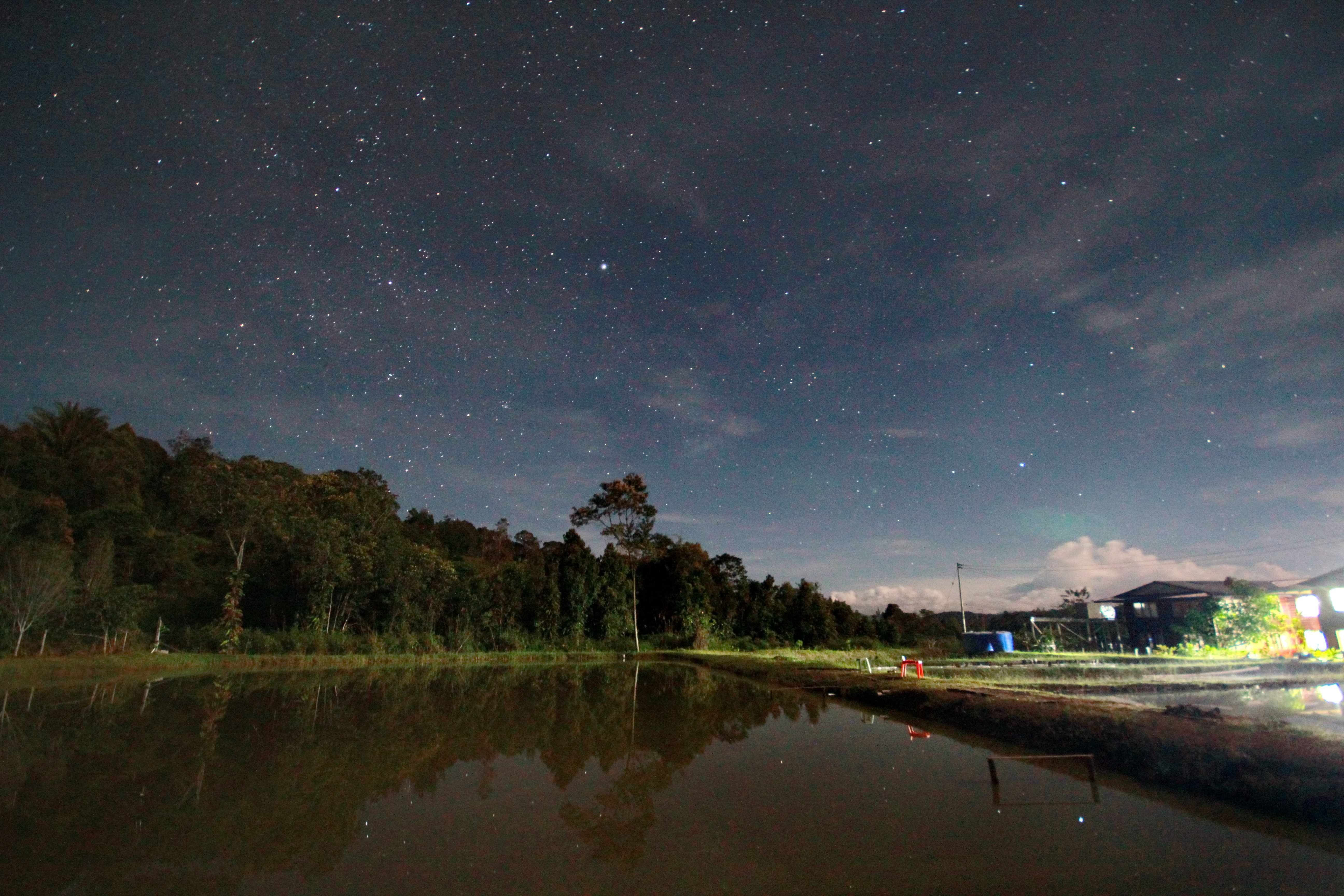
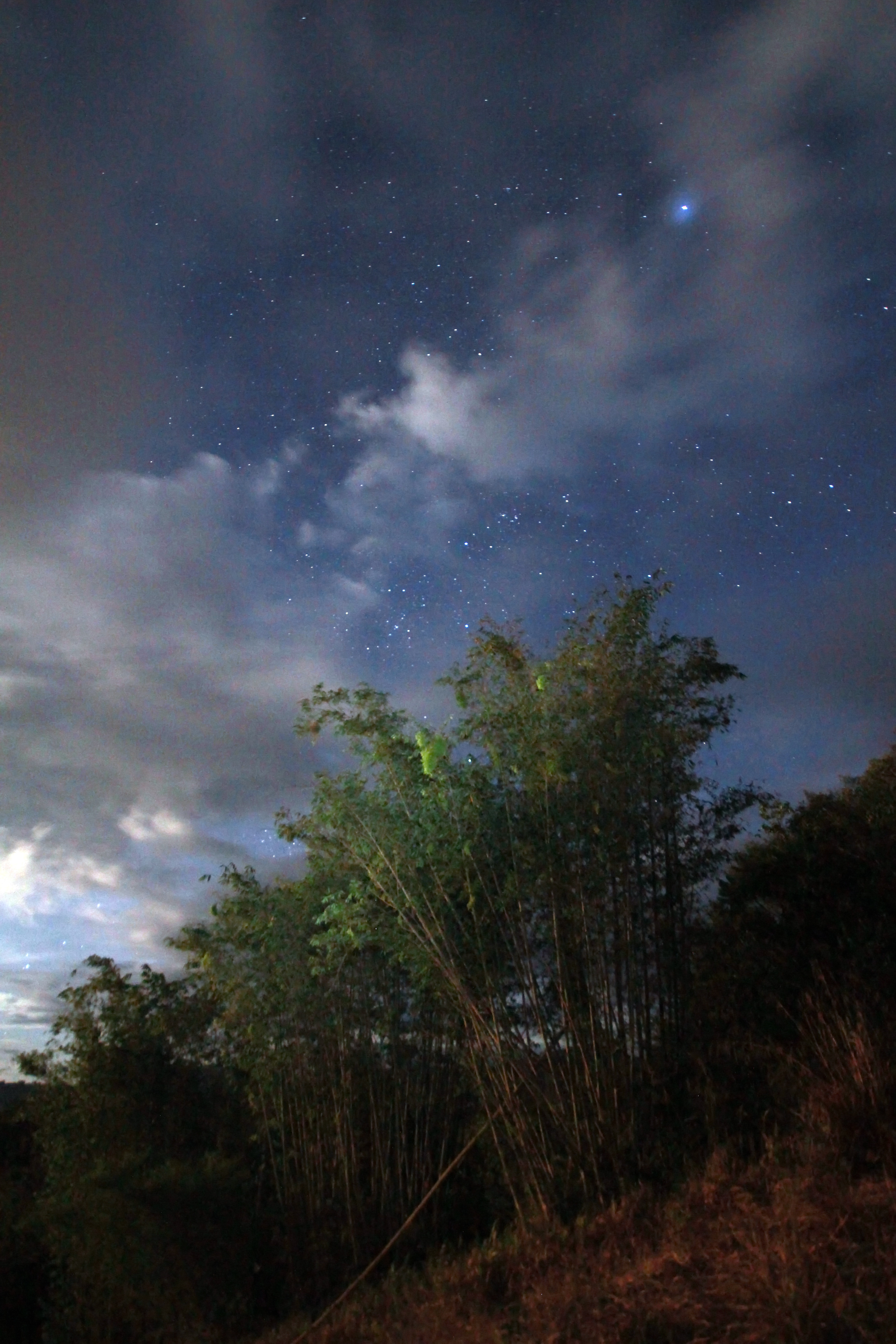
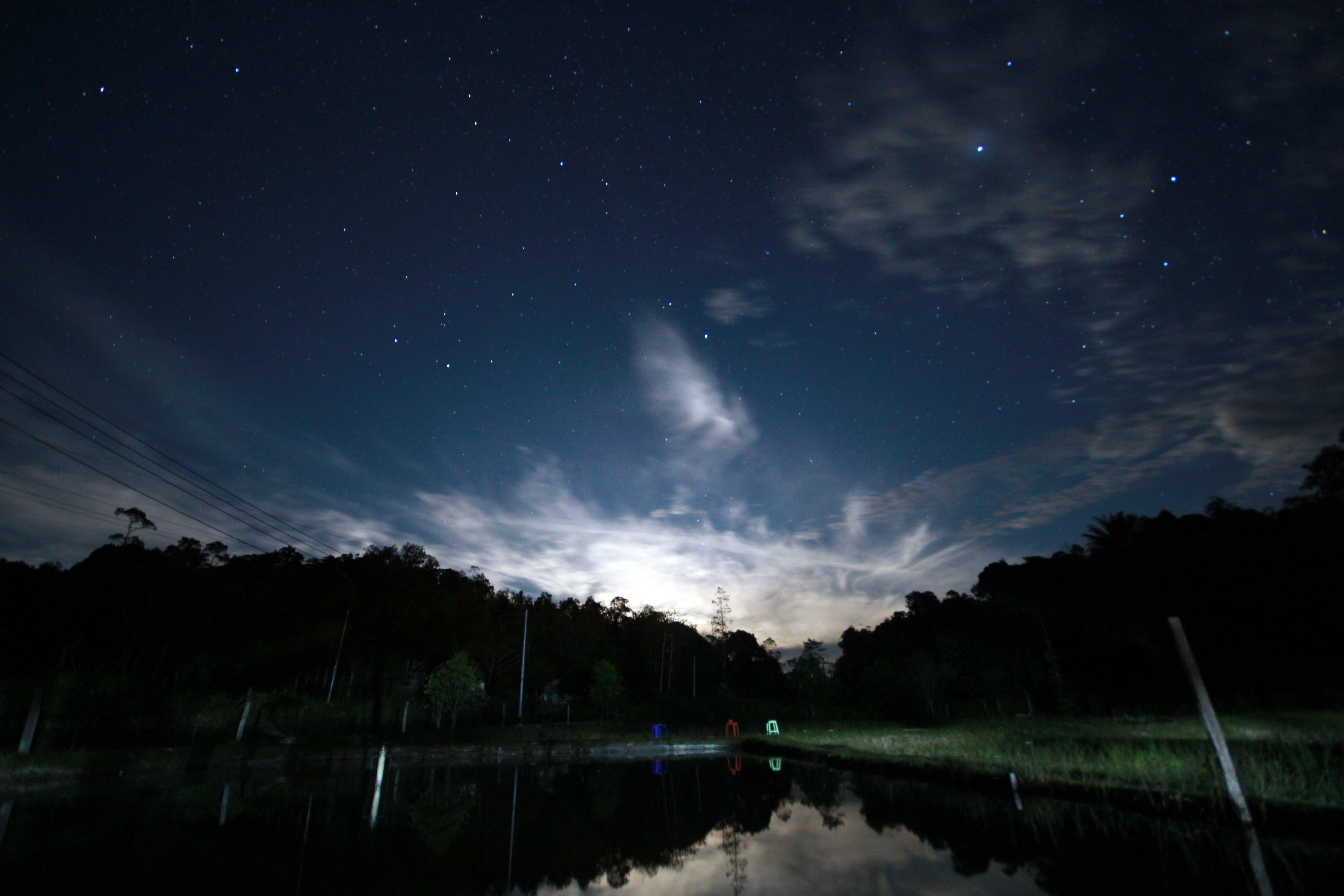
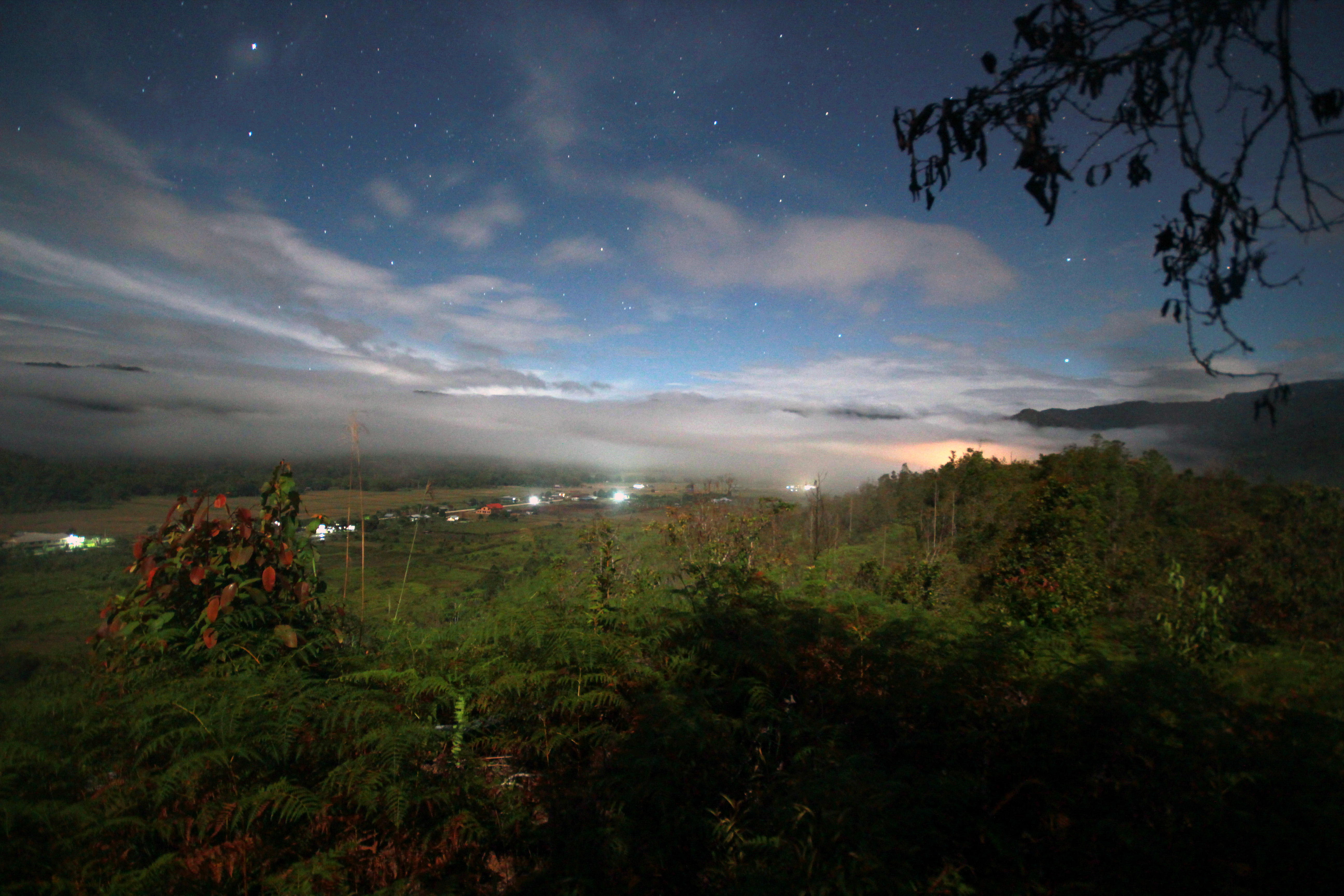
In Bario, when the sun goes down, the stars come out to play.
One would think that only professionals photographers could take night shots like these. In some ways, that’s true… a long time ago. But with the new technology found in many amateur ‘entry-level’ cameras today, it’s not that hard for a beginner to take beautiful starry-night photos like these. Of course, there are many levels of camera technology, and a high-end camera can do wonders with more ease than the low-end camera, but with the right skills, you can take great starry-night shots (official term is astrophotography) with an entry-level camera that would make your friends on FB go WOW!
THE STATISTICS SAY: 🙂
If you’ve come to Bario, chances are you’ll be carrying a camera of some sort. There’s also a good half chance of you knowing how to use only half your camera’s full set of features and potential (mostly the Full-Auto mode green box and Auto-Scene mode – sports/low light/landscape functions). And if that’s the case, you’d have missed a great opportunity to shoot Bario’s beautiful starlit nightscape (and when the street lights are fully installed in the future, you may never have the chance again).
START EASY
So, here’s a quick easy instruction on how to ‘start’ with night photogaphy and astro-photography when you are in Bario.
The Moon Grass
Now, entry-level digital cameras today are heaps more advanced in terms of features, control and sensitivity than they were 10 years ago, so what’s more important to a great night shot these days is not so much the quality of the camera but the quality of the eye that composes the shot, and the weather conditions of the night itself.
CHECK YOUR EQUIPMENT:
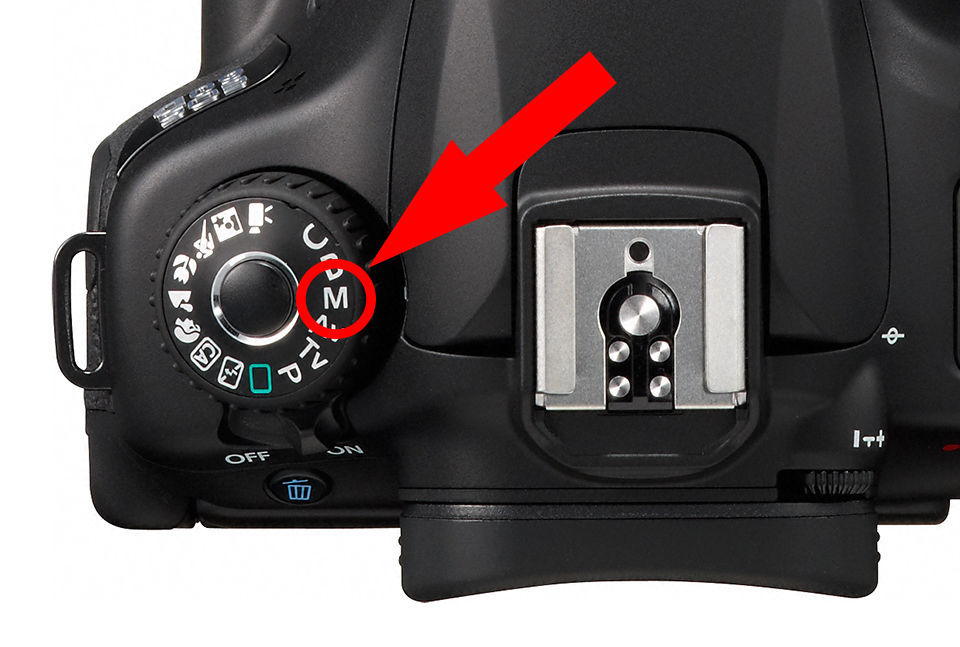
So long as your digital camera has a ‘Manual’ (M) mode (and you can also find them even in some point-and-shoot compact cameras), you already have the basic tool you need to start taking these photos. However, if your compact camera doesn’t have the (M) function on it, then you’re out of luck.
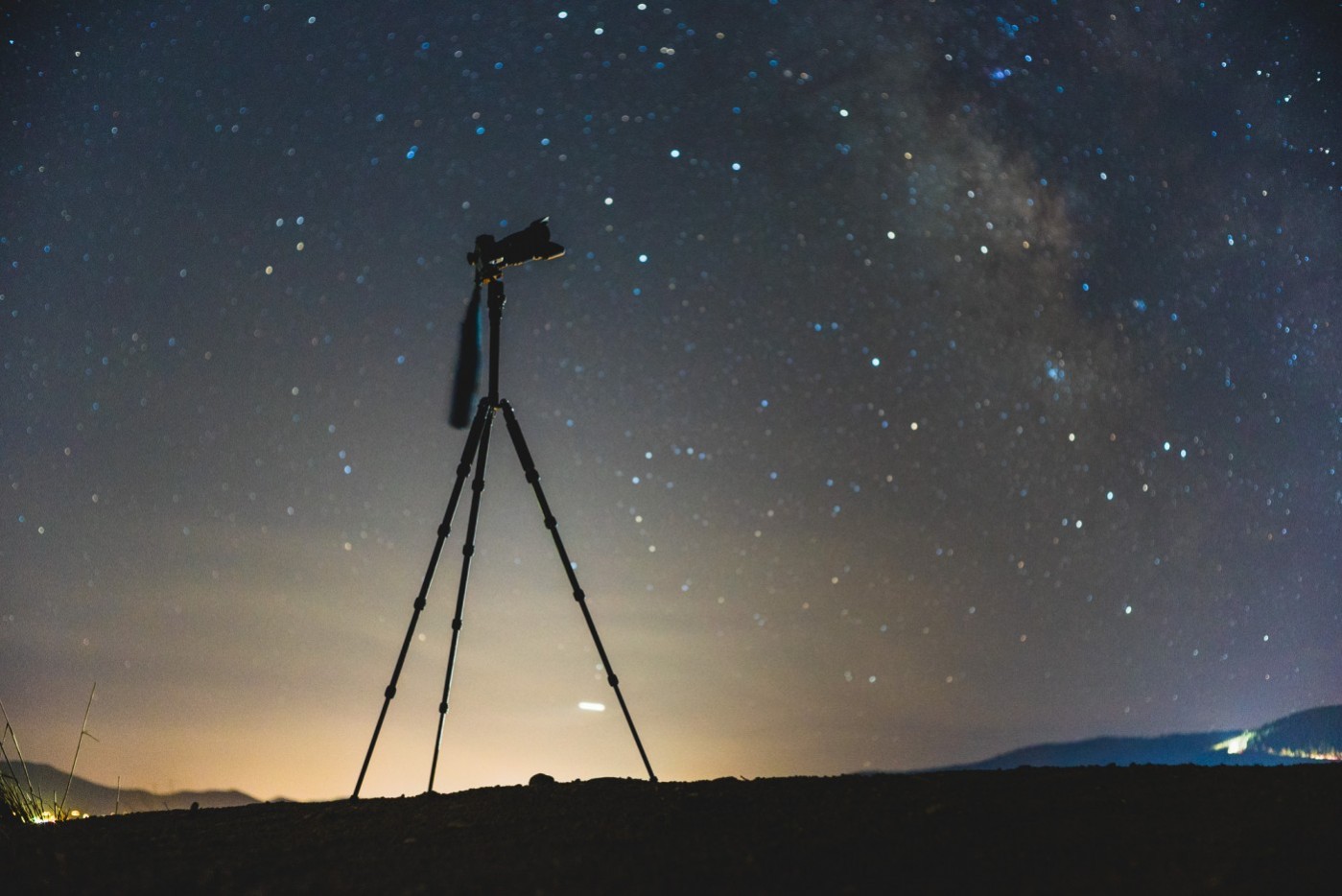
The other very important thing to have is a tripod.
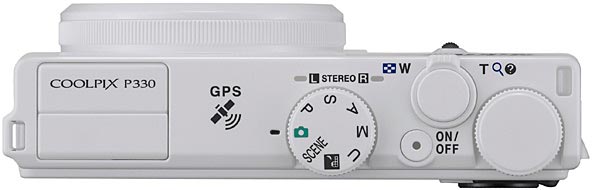
Below: DSLR cameras and any Compact Camera with a ‘Manual’ (M) mode can get the job done.
Nikon compact camera with (M) mode.Canon DSLR CameraCanon Compact Camera with (M) mode.
Once you get into the (M) mode, you can control the shutter speed and aperture size.
The-4-Step-How-To on the Camera:
So, to not make this article very technical, (and just using your regular settings), let’s just start with setting your digital camera to the ‘Manual Mode’ (M).
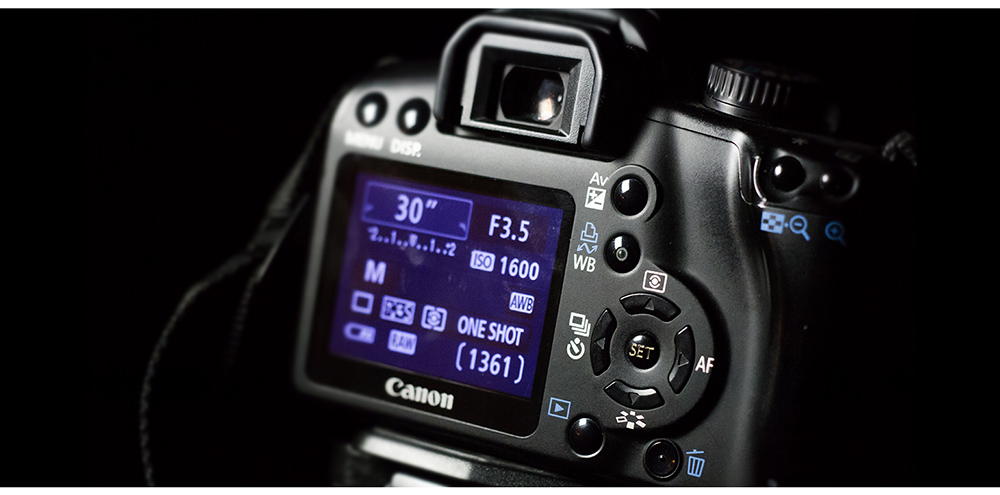
From there, there’s only 4 things you need to set properly first.* 1) Your ISO (set it to between 800 and 1600, or sometimes 3200). 2) Your Shutter Speed – Tv (set it to 30″ – it means 30 seconds exposure). 3) and your aperture size – Av (set it to the biggest – it was f3.5 on my lens). 4) Set your lens focus ring to infinity ( ∞ ).
*Note – This is a starting point. From here onwards, you can toy around with the settings (Shutter Speed + ISO + aperture) after every shot, to get best results.
(M) mode – at 30 second exposure, f3.5 aperture, and ISO1600
Once you’ve adjusted the camera’s settings, it’s time to shoot the scene. Start with something, anything, with the sky as the background. Compose your scene, or just point the camera in a direction you like (because it’s dark, and you can’t really see anything way in the distance).
Note:The camera has to be really still for the 30 seconds. So, having a very sturdy tripod is important.
A tripod is an essential component of astrophotography. Don’t forget to bring one up.
The first shot: The Finger Trigger
Start with using your finger to press and release the shutter. (you don’t have to leave your finger on the shutter button). Wait 30 seconds and have a look at the result.
If you’re not so steady with the hands, you’ll notice that there will be some motion blur in the picture from the movement of your finger on the shutter. Some people can do it well, others not so well. If you’re one of those who can’t keep a slow and steady shutter finger, then here’s a trick.
The second shot: The Timer Shutter A very simple solution – Turn on your timer shutter release (all cameras have a timer shutter release setting – the one we use for group photos). Press the shutter button, let the timer start the countdown, and wait 40 seconds. (10 seconds for timer release, and 30 seconds for shutter exposure). Check the shot.
Horizon Rising
After you’ve taken a picture, repeat the process. With digital cameras, we are no longer limited to the 24 or 36 frames on a Kodak/Fuji celluloid film roll. You also get instant result on the photo you took through the LCD panel. So, if you aren’t happy with your picture, retake the shot – with a different aperture size, and shutter speed or ISO speed setting. So you can keep snapping until you get the shot you like.
Different cameras will respond differently to the settings mentioned, so try the different settings and see the results. If you still don’t like it, use another setting and see what comes out. The more photos you take, the better your odds are of getting better shots.
The Bario night scene on a full moon night.
Photography is more of an art than science, so feel free to experiment and come to your own picture perfect sense. Soon you’ll develop your own preference for a style to your astrophotography. For example, I have developed a preference for shooting the night sky when there’s a bright full moon up in the sky (mid month).
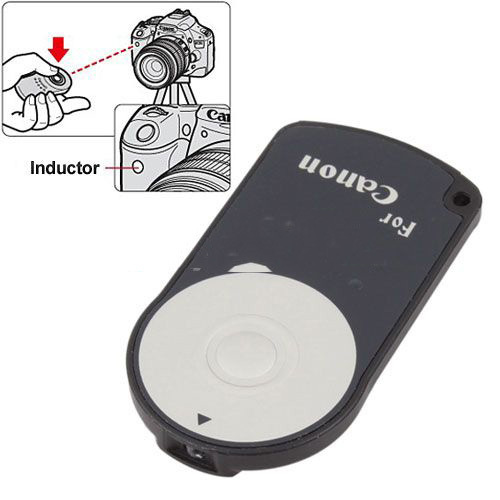
So, start with these simple steps first. Don’t expect to get it right on the first go, and you’re bound to take lots of bad shots along the way. But hopefully, there’s enough information here to help you bravely get started on it. If you find that you enjoy taking night photographs with the stars, you can then consider acquiring one more important piece for the perfect shot – a wireless remote shutter button. 🙂
I use something like this. Was RM100 in 2011, but you can get cheaper ones now.
VERY IMPORTANT TO HAVE:
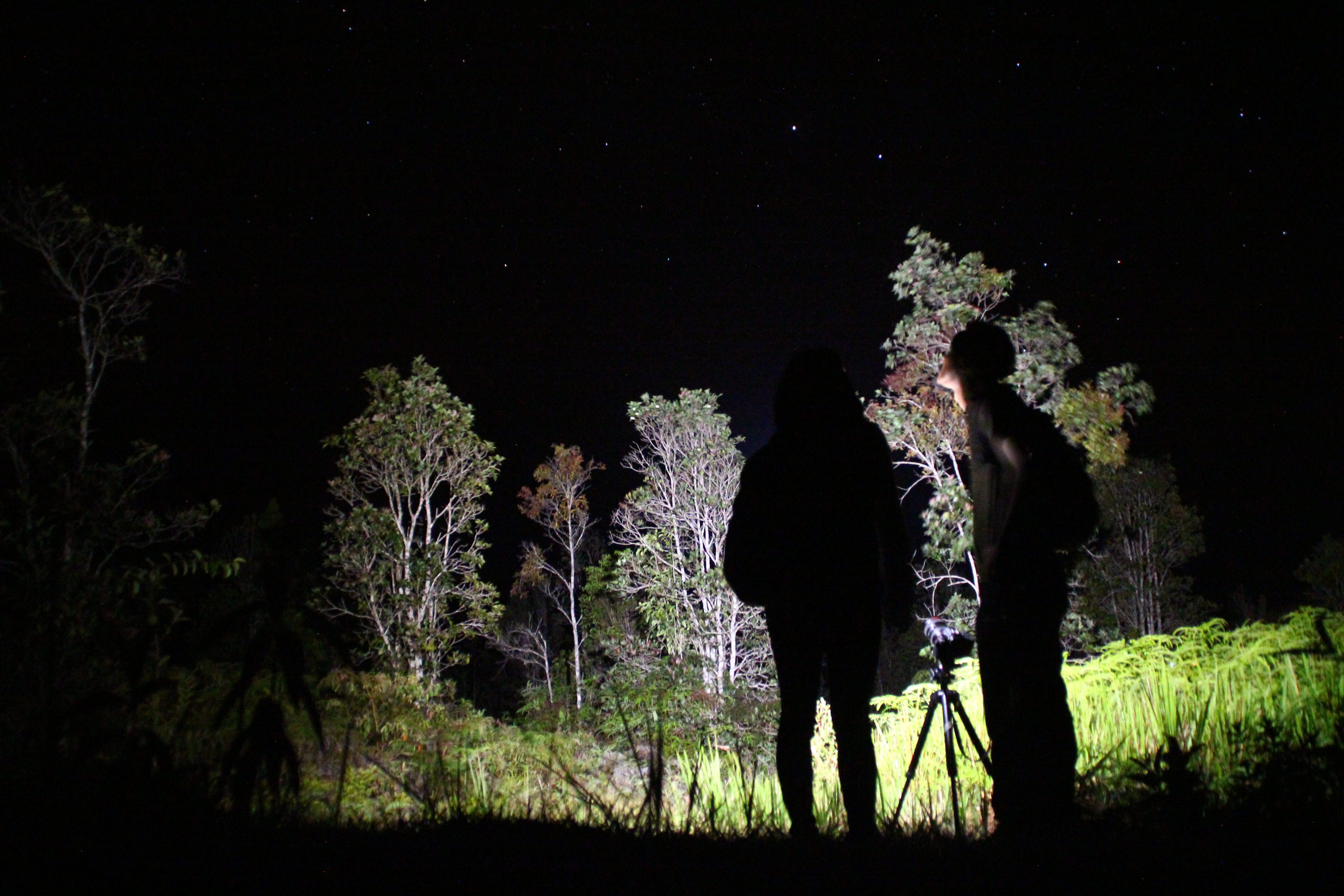
Now, there’s one very crucial tool to have with you at all times, and without it, you’d be absolutely unable to do all those things above. Headlamps. You’ll need the light, and you’ll need to leave your hands free, because they’ll be doing a lot of work. Headlamps will also help you ‘paint the foreground with light’ (but that’ll be topic for another post).
Experiment and play around with your composition. Here, a hand held light source was used to ‘paint the foreground’. This was also shot ‘Trigger Finger’.
BARIO CONDITIONS: LOCAL KNOWLEDGE.
In Bario, depending on what kind of night shot you want to take, here are a few key things to take note of. On a good day, early evening (8mp after dinner) is a good time to be out shooting if you want clear skies. If you go out too late, the mists starts blowing in at about 12am-1am, and you might not be able to get a good shot as the mist blocks your view of the stars and your lens gets misted. So, go out early, and you’ll give yourself plenty of time experiment with your camera.
However, the mist can spectacularly add to a photo if you know how to shoot it. Late in the night, go up the higher hills for a spectacular shot. As the mist fills up the valley below, you’ll see a layer of cloud below, and stars above it. Suggestions are Prayer Mountain, Proposal Hill (aka Panorama Hill), and Korea Hill. These spots have good views over the valley.
Good luck!
*If you’re going up to Bario with a camera, look us up at the Lodge. We’re not quite the pro, but we’ll gladly help you make more use out of your camera on your evenings in Bario.
The viewing point on Proposal Hill (as seen from Labang Longhouse Lodge).
Backpacking Sarawak: Bario, The Kelabit Highlands That Time Forgot
“These moments have become increasingly rare and fleeting, because of my connectedness with technology. The messages are broken up between this “world” and the next where I am always connected, always interjected, always distracted, always inundated with information and requests… and I struggle to find meaning behind it all, but nothing seems to make sense. I’ve always believed that even in the smallest events there’s no such thing as coincidence; it’d been a good decision to come back to Bario. Aunty Bulan’s lips curve into a smile, “This place does that to people… even to us who’ve lived here all our lives,”
“Here in the Kelabit Highlands of Sarawak, Malaysian Borneo, villagers are not just farmers, not just hunter-gatherers. It’s not an either/or. The people do it all. They hunt, fish and forage for their food. They grow rice by hand, in verdant plots fed by mountain waters.”
“We peered across thick stands of trees where Walter had taken us foraging for edible palms and rattans, and bamboos with liquid inside. He said he could live in that forest on the food and drink it provided. It had, after all, sustained centuries of people before him. “That’s why we need to keep our jungle,” he said.”
I WANTED RUGGED. I THINK I FOUND IT IN THE KELABIT HIGHLANDS.
“Turns out, it’s actually a bit of an effort to find rugged in Borneo (particularly in the Malaysian bit which is where I am). My first trek into the jungle, though beautiful, was quite commercial and felt a lot like glamping.”