Now, that’s a claim you’d expect to hear from a snake oil salesman, trying to get a sale off you on the five foot alleway in a shady part of town. However, in this instance, that’s not the case. This preliminary study conducted by medical researchers with established international standards and state-of-the-art equipment deduced that the Kelabit’s famous trait for being ‘intelligent’ is ‘probably’ in the Bario Salt. Hard to believe that the ubuquitious salt can make one smart? Read the research to see the proof. Yes, it does make sense.
“Despite the remoteness of the study area, the schoolchildren in Bario, Sarawak showed higher mental performance compared to other isolated areas.”
Micronutrients and its correlation with mental performance among schoolchildren in Bario, Sarawak: a preliminary study.
Curators Note:
This post is part of a collection of academic research and publications done in the Kelabit Highlands. We'd like to sincerely thank the many academicians and institutions from all over the world that have come to Bario to experiment, document, and expand our understanding of the things around us.
Development Issues – How do you develop Bario and keep it pristine?
“Over the last 45 years till to-date, the Kelabit community still practiced environmental friendly irrigated wet rice cultivation, salt processing from salt springs, agrisilvipastoral system and conserving nearby forest resources.”
Change Is Inevitable.
Bareo’s great asset (next to it’s people), is its environment. The beauty of the Kelabit Highlands is its remoteness, its natural surroundings and how it seems trapped in time. Is this a blessing, or a handicap? In 10 years time, what will the Kelabit Highlands look like? This paper might give you a clue.
This survey was done to gauge problems, issues and aspirations of the Kelabit Highlanders in Bario. A good quick read to get an overal picture of Bario before you get there.
“Based on survey done in May 2005, the highest ranking of problems faced by Bario community were transportation (24%), followed by high cost of living, no electric supply, shortage of manpower and limited telephone line. The type of development preferred according to the highest ranking was related with conservation (60%), followed by eco-tourism, agriculture and research.”
Integrated highland development in Bario, Sarawak, Malaysia: An overview.
Curators Note:
This post is part of a collection of academic research and publications done in the Kelabit Highlands. We'd like to sincerely thank the many academicians and institutions from all over the world that have come to Bario to experiment, document, and expand our understanding of the things around us.
The first Agricuture Revolution happened in 10,000BC, when humans began food crop cultivation, and a large part of their diet came from cultivated crops, instead of foraged food from the wild.
Since then, there have been a few ‘regional’ agriculture revolutions’ around the world, each bringing new understanding to agriculture practices and new effects to our way of life. eg – European agriculture revolution introduced ‘crop rotation’, which changed not just agriculture, but even laws governing land and people.
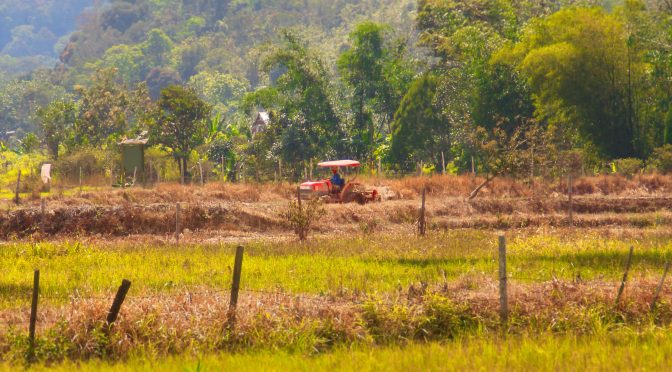
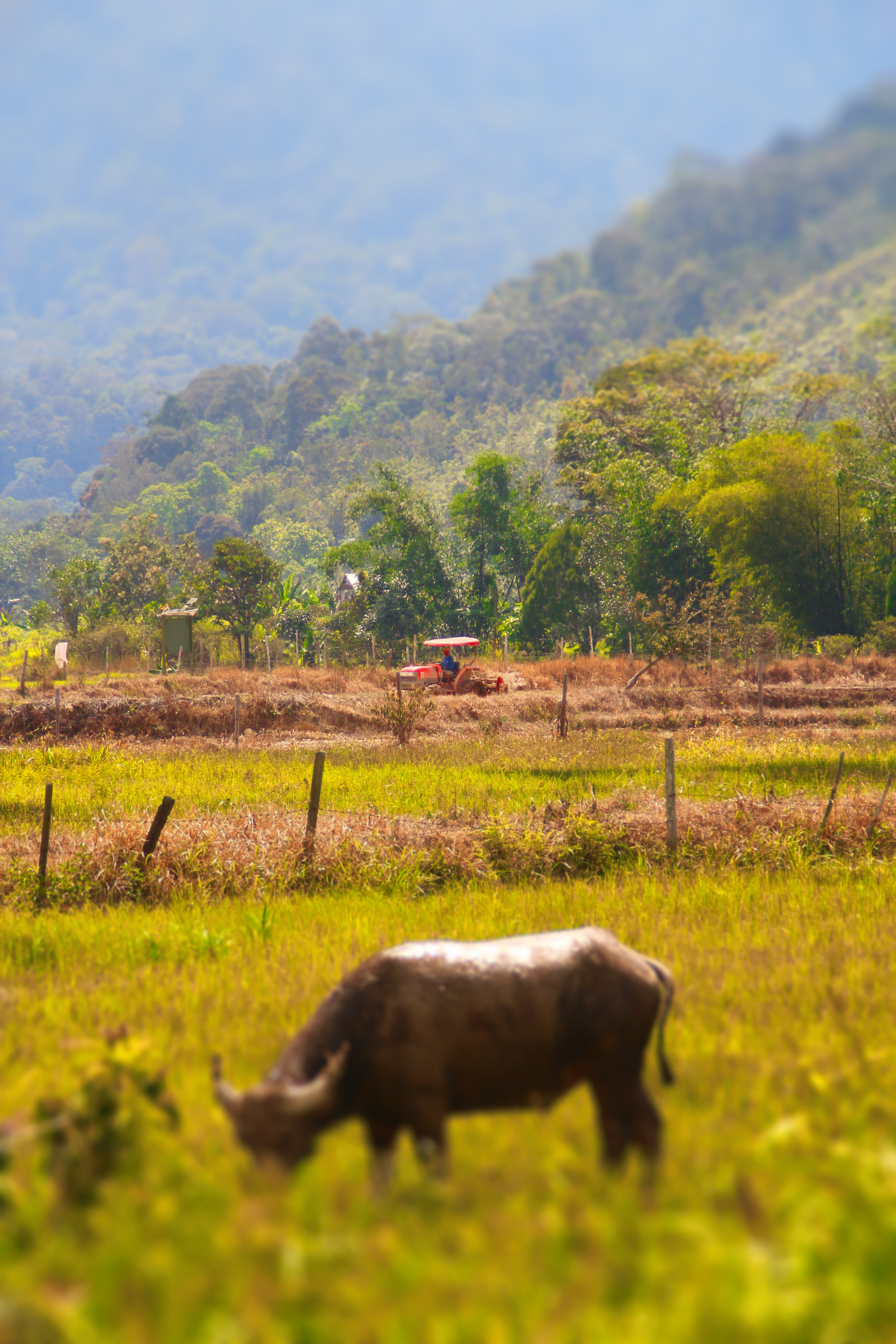
A bufallo grazing in the fields. In the background, a tractor takes its place.
Mechanised Farming
While not considered an ‘agriculture revolution’ in itself, the mechanisation of farming has vastly increased crop yeild and food availability wherever it is applied. Surplus food have increased food security, but also reduced farm owner’s security.
Farming Transformation of Bario Rice
This study by a explores effects of the mechanised farming of rice in Bario, which just only 5 years ago, was very much a manual endeavour.
Impact of the Introduction of Mechanized Agriculture on a Traditional Rice-Growing Community in Sarawak, Malaysia by Davin Marcus Raja
Curators Note:
This post is part of a collection of academic research and publications done in the Kelabit Highlands. We'd like to sincerely thank the many academicians and institutions from all over the world that have come to Bario to experiment, document, and expand our understanding of the things around us.
Are all noodle’s the same? Now, imagine this – ‘Bario Rice Noodles’.
Bario rice purists would definitely squeal “but why?”. “Bario rice is great as it is”, so they’d say. Read on to see what happens when a group of researchers try to process the very expensive Bario rice into Kway Teow noodles.
Definitely a good read if you love kway teow noodles, or if you love Bario rice, and better still, if you love both.
“The Bario rice (White) used in this study is considered
as an exotic local variety of rice with a distinctive taste,
soft texture and exhibiting a mild and delicate aroma on
cooking. This rice is as an organic produce and are grown
at high altitudes (1100 m above sea level) without any use
of artificialfertilizers.”
Curator's Note:
This post is part of a collection of academic research and publications done in the Kelabit Highlands. We'd like to sincerely thank the many academicians and institutions from all over the world that have come to Bario to experiment, document, and expand our understanding of the things around us.
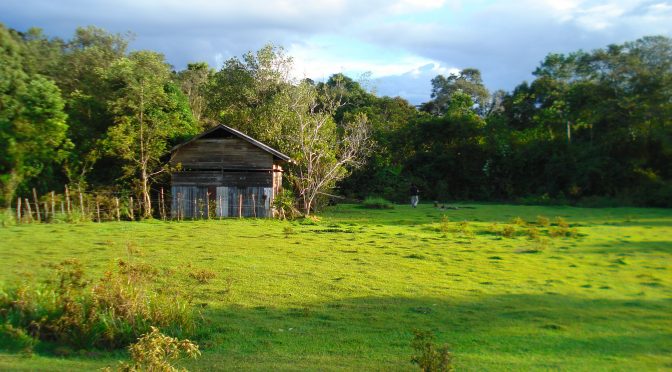
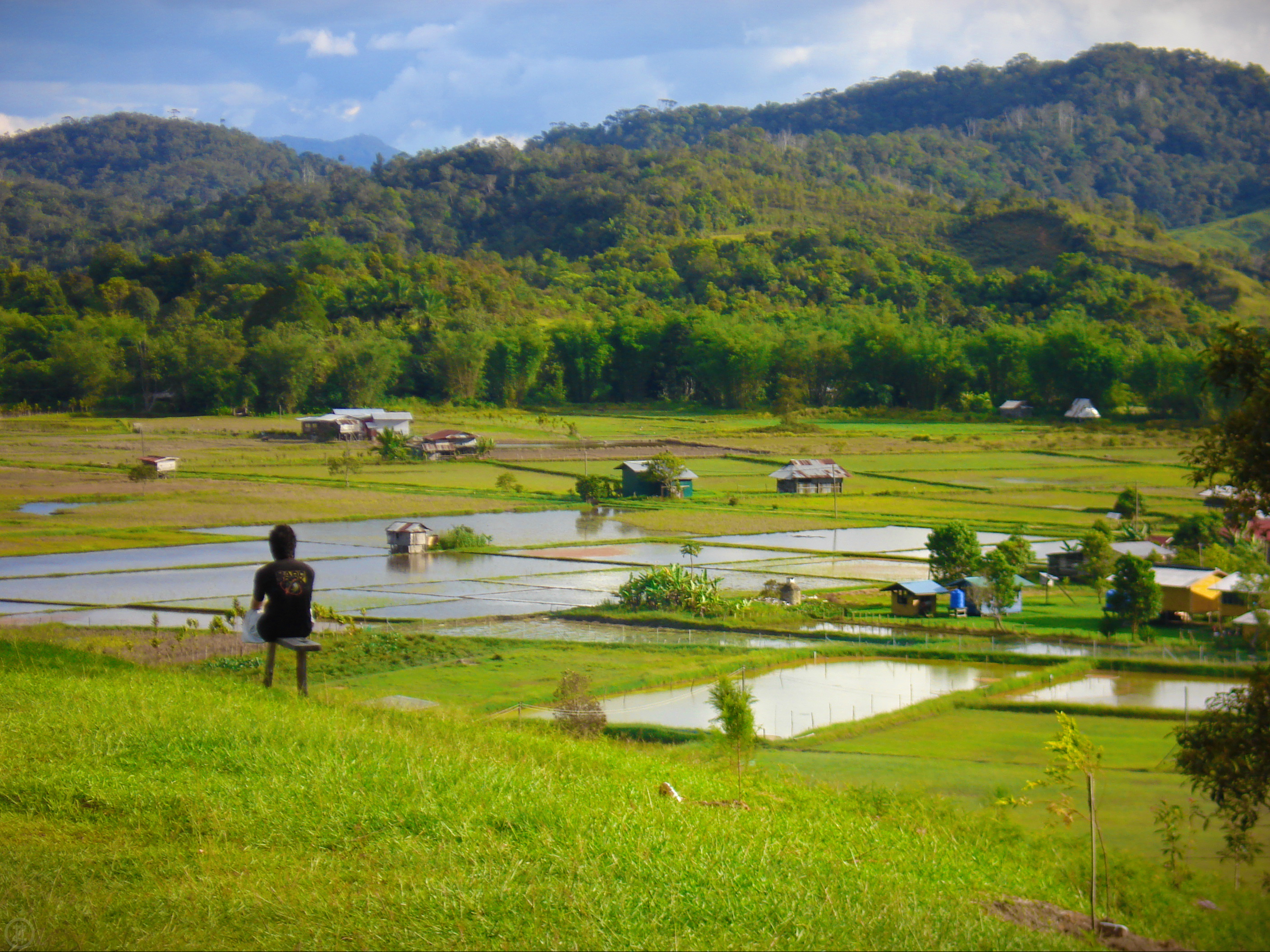
The Kelabit Higland’s Bario Scenery – Just taking a stroll around during the day, the scenery in Bario is always welcoming, and uniquely magical. It’s a beautiful place up in the mountains, with many little treats for the eyes.
Touring Bario – a walk back in time.
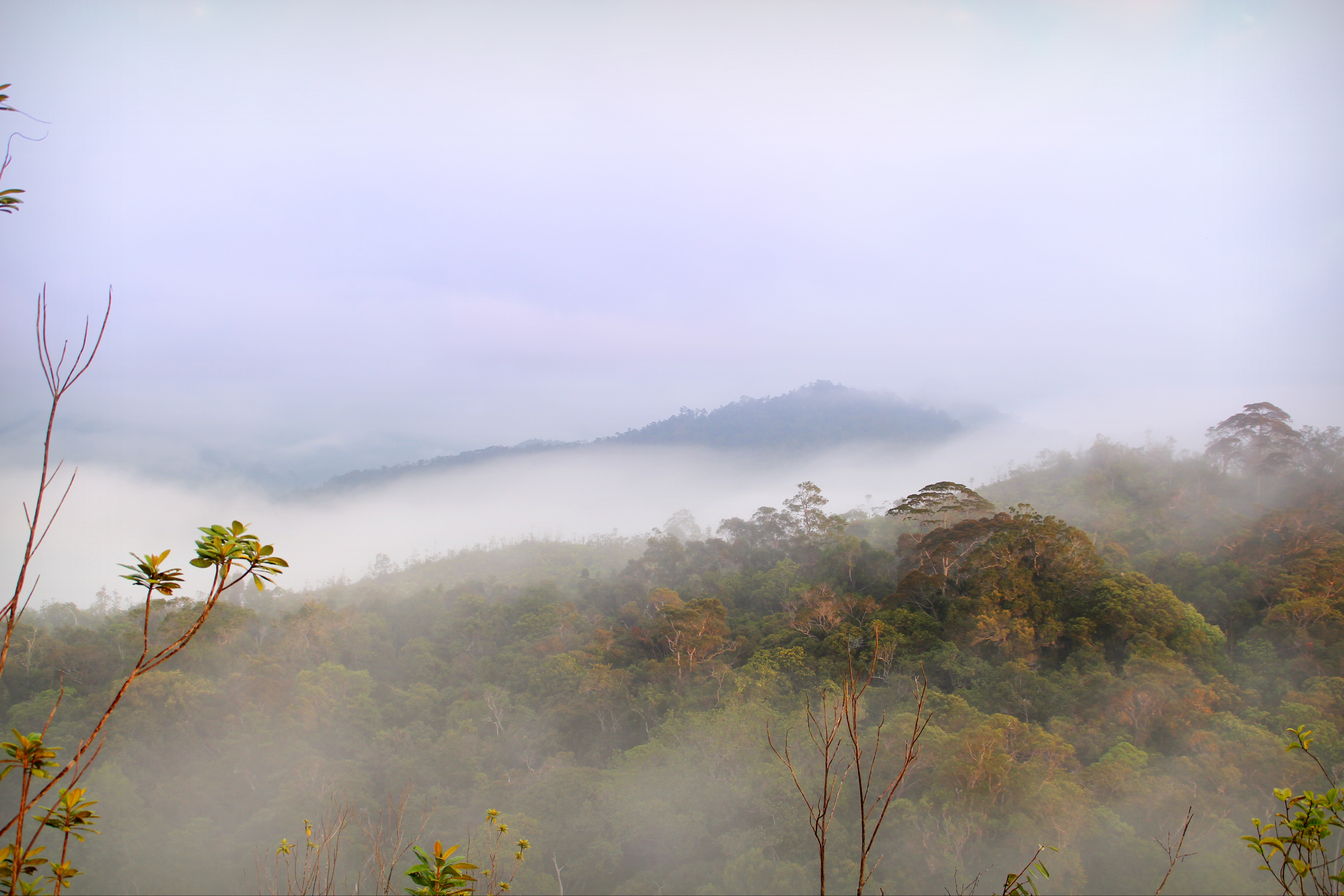
The Spectacular Morning Gems In Bario
However, if you took a little effort (well, it can be a lot for some) to get up before daybreak and walk up Bario’s many hills and mountains, the scenery that awaits you can be utterly breathtaking.
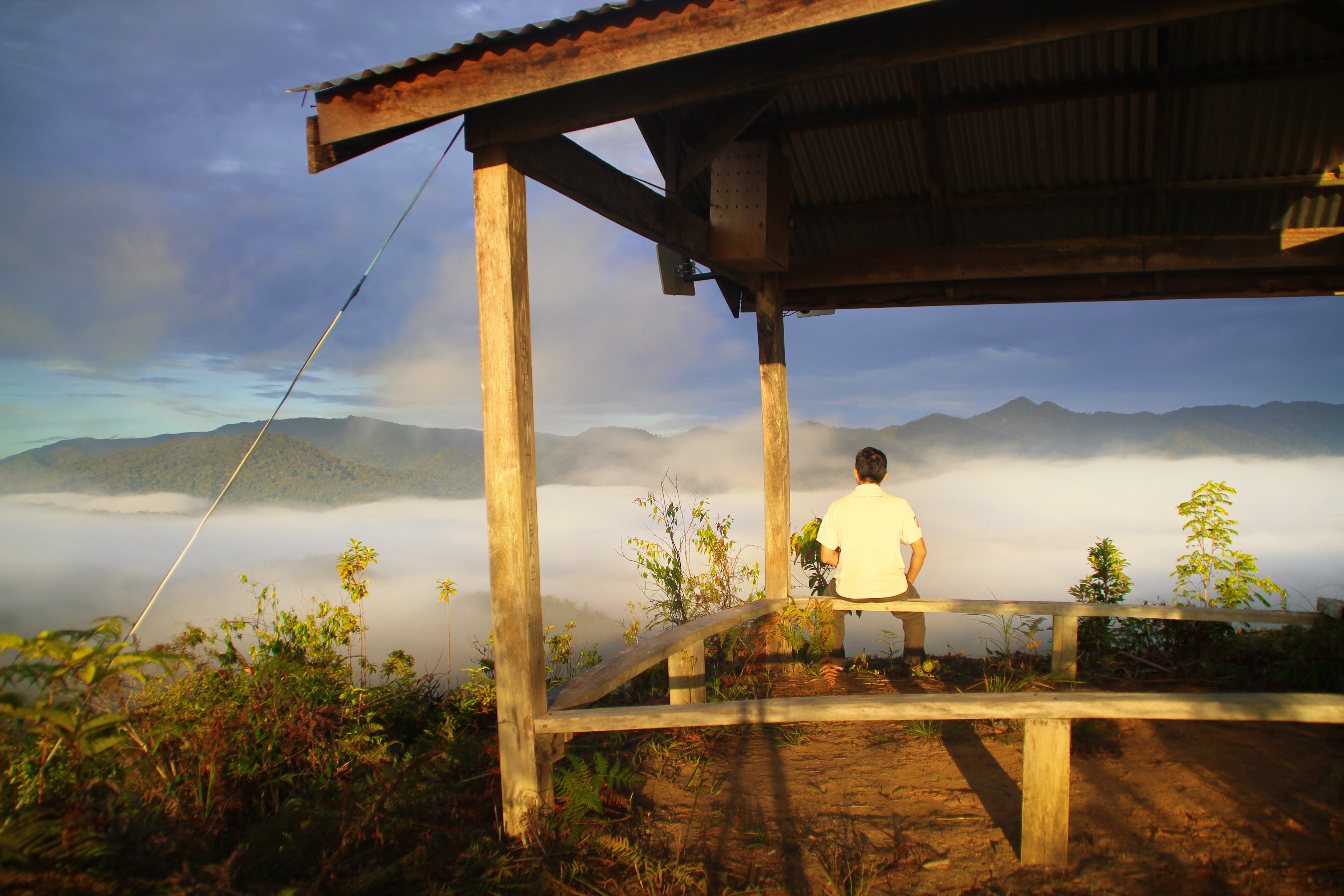
The morning views from the mountain top.
There are a few well maintained and well visited elevated spots in Bario to catch this scene, and some require more commitment than others.
The Bario Prayer Mountain
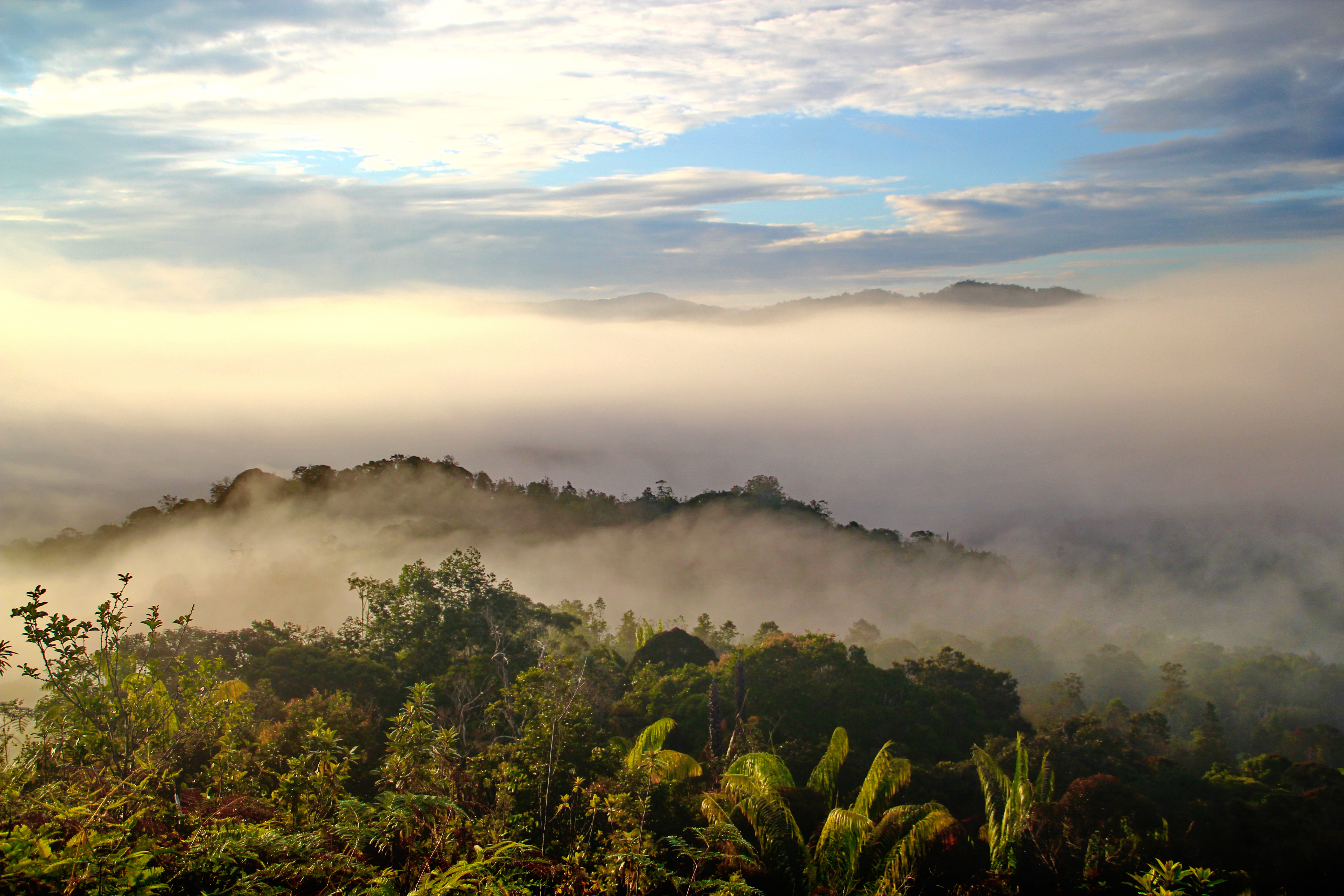
The best spot of the lot is undisputedly, the top of the Bario Prayer Mountain. This is a one or two hour ascent (depending on your fitness level). It’s hilly at the bottom half, and almost vertical on the top half. But once you get up there very early in the morning, you’ll thank God for it. Some visitors have even spent the night before at the top, so they won’t miss the morning view. Now, that’s dedication.
The View From Prayer mountain at Dawn.
How to get to Bario Prayer Mountain.
The foot of the prayer mountain starts behind the Arur Dalan Longhouse (on the eastern edge of the Bario plateau). It is well marked, so you won’t miss it.
The Bario Proposal Hill
Another good spot is Proposal Hill. Unlike the Prayer Mountain, this is only a fifteen minute to half an hour’s climb up from the foot to the top (someone young university kid did it in 7 minutes). It’s not as high, but the views on the way to the top are equally amazing, if you catch it on the right day.
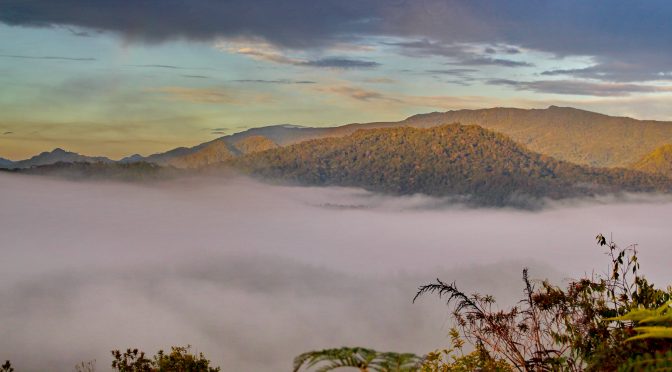
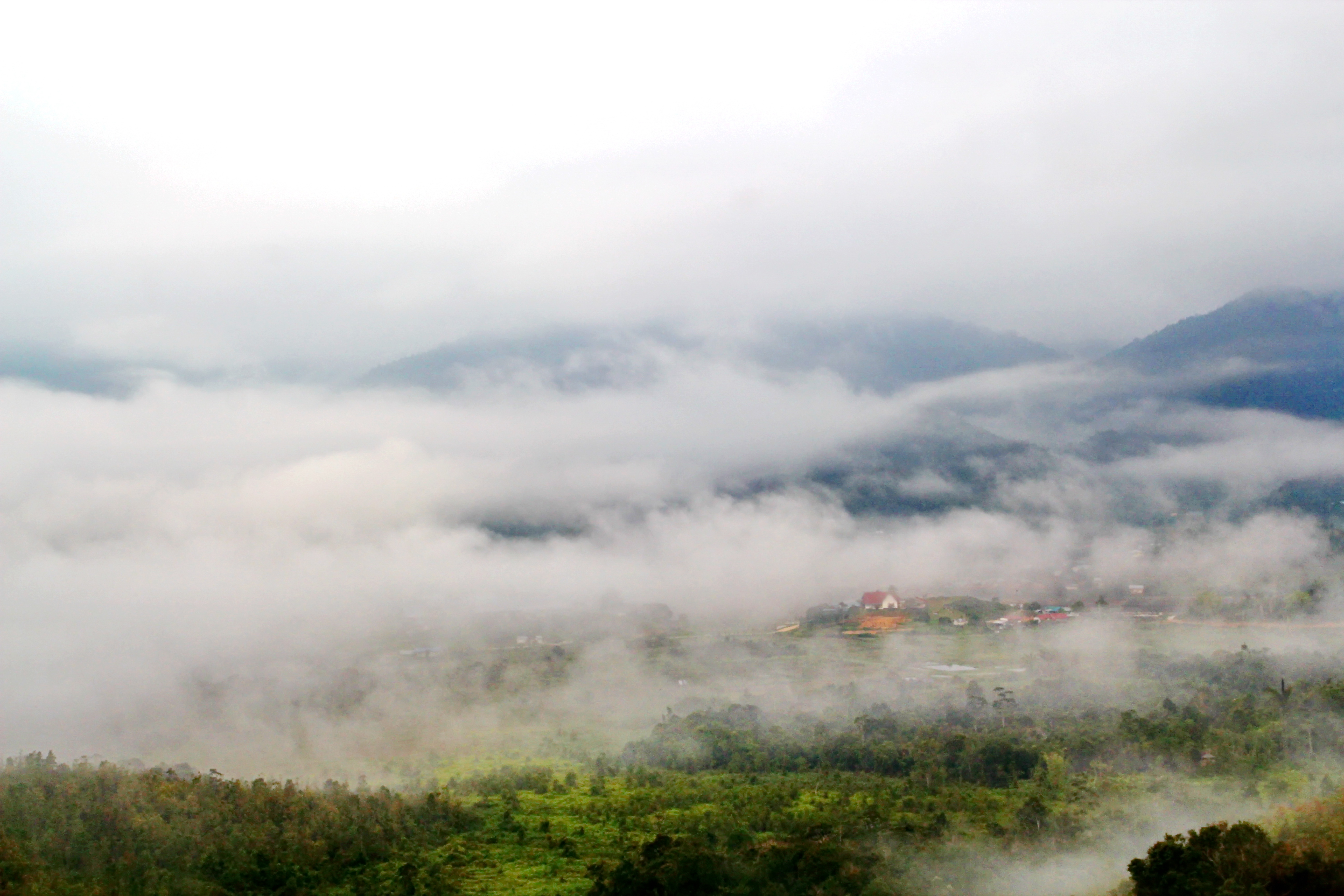
Valley In The Clouds. Taken from Proposal Hill.
*The right day – is a dry day with a cooler morning temperature. A wet warm morning can cause clouds to rise quickly before the sun is even up, and because it is not as high as the Prayer Mountain, your view could get blocked by the very clouds you went to see. However, on a good day, the views are simply majestic.
Another angle from Proposal Hill
Note: My own success rate at being up there on a good day is 30%. But it’s a spectacular 30%.
Proposal Hill is just 15 minutes walk from Labanglonghouse Lodge.
You’ll never now what you’d get to see at the top of Proposal Hill, but for a 15 minutes hike, it’s definitely worth the gamble.
Breathtaking Proposal Hill – good place to propose.
How to get to Proposal Hill.
You can find the path leading to Proposal Hill about 10 minutes walk from The Bario Market Centre. It is just opposite the Labang Longhouse Lodge.
Squeeze more out of your days in the Kelabit Highlands.
So, when in Bario, wake up very early and prepare yourself some hot coffee in a flask and be up there before the crack of dawn. The amazing morning clouds of the Kelabit Highlands await.
Killjoy:
Of course, if you had a powerful Camera Drone that can go 500 meters up, you could see all this without raising a sweat.